CBN Seeks Safer Digital Cross-Border Payment Systems
By abiawatch
February 19, 2026 • 2 mins read
CBN Seeks Safer Digital Cross-Border Payment Systems
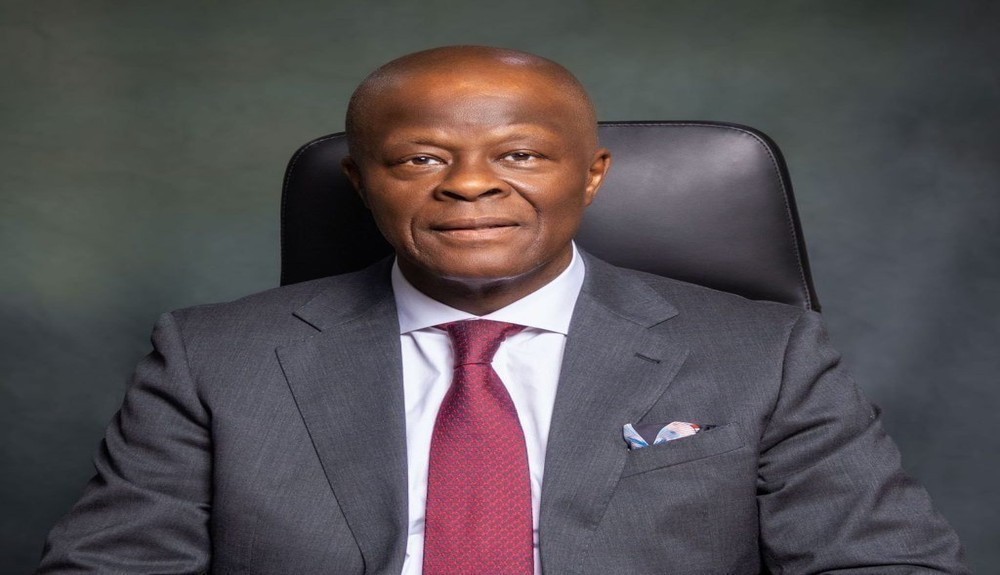
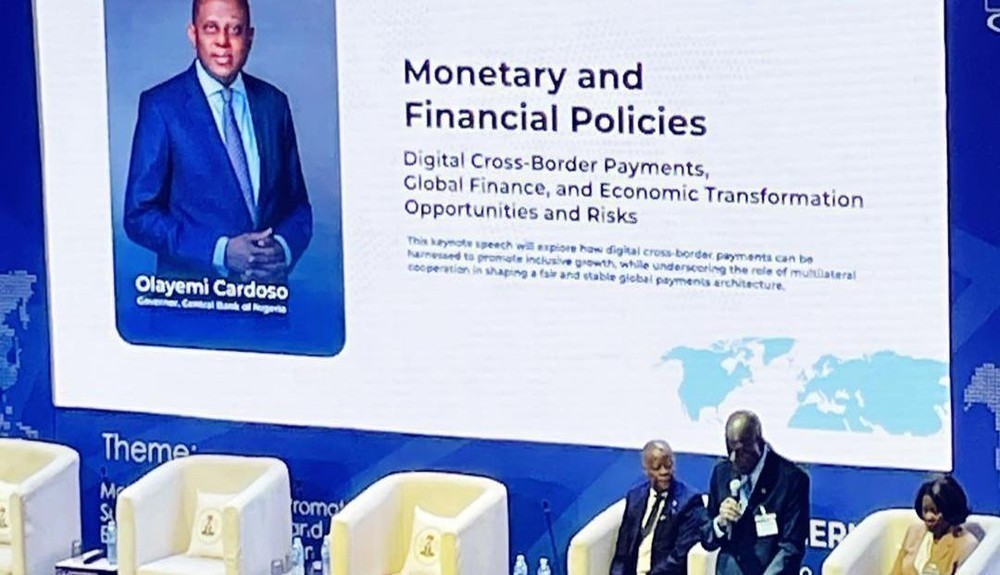
The Governor of the Central Bank of Nigeria (CBN), Olayemi Cardoso, has said digital cross-border payment systems hold transformative potential for developing economies but warned that weak regulatory frameworks could expose them to financial instability.
Mr Cardoso spoke on Thursday while delivering a plenary address at the G-24 Technical Group Meetings in Abuja, where policymakers discussed financing strategies for sustainable and inclusive growth.
“At the heart of this transformation lies a simple, yet powerful truth: an economy cannot be more inclusive than its payment system,” he said, noting that barriers to cross-border money transfers continue to exclude millions from global commerce.
He described inefficiencies in cross-border payments as a macroeconomic challenge for developing countries, citing high remittance costs, foreign exchange charges and settlement delays. According to him, global remittance corridors still cost over six per cent on average.
Digital Opportunity
Mr Cardoso said innovations such as instant payment systems, interoperable platforms and digital identity frameworks could reduce costs, improve transparency and expand access to formal finance.
He referenced India’s Unified Payments Interface and Brazil’s PIX system as models that have accelerated real-time settlements and lowered transaction costs.
In Nigeria, he said, the apex bank is finalising its Payment System Vision 2028 to strengthen resilience, boost innovation and advance financial inclusion.
In June 2025, Nigeria launched the National Payment Stack — a real-time payment system built on ISO 20022 messaging standards and designed to support multi-currency and cross-border transactions.
The CBN has also simplified Know-Your-Customer requirements for low-value cross-border transactions to encourage participation in the Pan-African Payment and Settlement System (PAPSS), easing trade payments for small and medium-scale enterprises.
On diaspora inflows, Mr Cardoso said reforms introduced instruments such as the Non-Resident Nigerian Ordinary Account and the Non-Resident Nigerian Investment Account.
“As a result of these reforms, remittance inflows now average about $600 million per month, and we are confident of reaching a $1 billion monthly milestone in the near term,” he said.
Fiscal Pressures, Global Risks
Mr Cardoso commended the Minister of Finance and Coordinating Minister of the Economy, Wale Edun, who chairs the G-24, for articulating a reform agenda focused on modernising global finance and strengthening domestic institutional capacity.
However, he cautioned that the rapid expansion of private digital payment platforms and stablecoins could create new vulnerabilities, including currency substitution, foreign exchange volatility, regulatory fragmentation and weakened monetary policy transmission.
“Without coordination, digital cross-border payments risk becoming fragmented across jurisdictions… undermining the ability of emerging market and developing economies to safeguard monetary sovereignty,” he warned.
He stressed that central banks must remain central to payment system reforms to preserve monetary and financial stability.
Debt and Institutional Reform
Mr Edun, in his remarks, warned that rising debt service obligations are tightening fiscal space across the Global South, with annual debt payments by developing countries now exceeding combined inflows of official development assistance and foreign direct investment.
Earlier, Iyabo Masha, Director and Head of the G-24 Secretariat, said member countries were meeting amid heightened uncertainty and tightening policy space.
She called for urgent reform of the Bretton Woods institutions to create a more inclusive and responsive global financial architecture.
Mr Cardoso concluded that digital cross-border payments must be treated as a public good and embedded within coordinated global frameworks.
“To shape the future of global finance, rather than be shaped by it,” he said, “digital cross-border payments must become a public good.”