Electoral Act Could Cause Chaos, Don’t Sign It, Ex-INEC Commissioner Urges Tinubu
By abiawatch
February 18, 2026 • 1 mins read

Electoral Act Could Cause Chaos, Don’t Sign It, Ex-INEC Commissioner Urges Tinubu
Igini made the call on Wednesday during an interview on Arise Television following the Senate’s passage of the bill, which contains contentious provisions under Clause 60 relating to electronic transmission of election results.
“A Man of History”
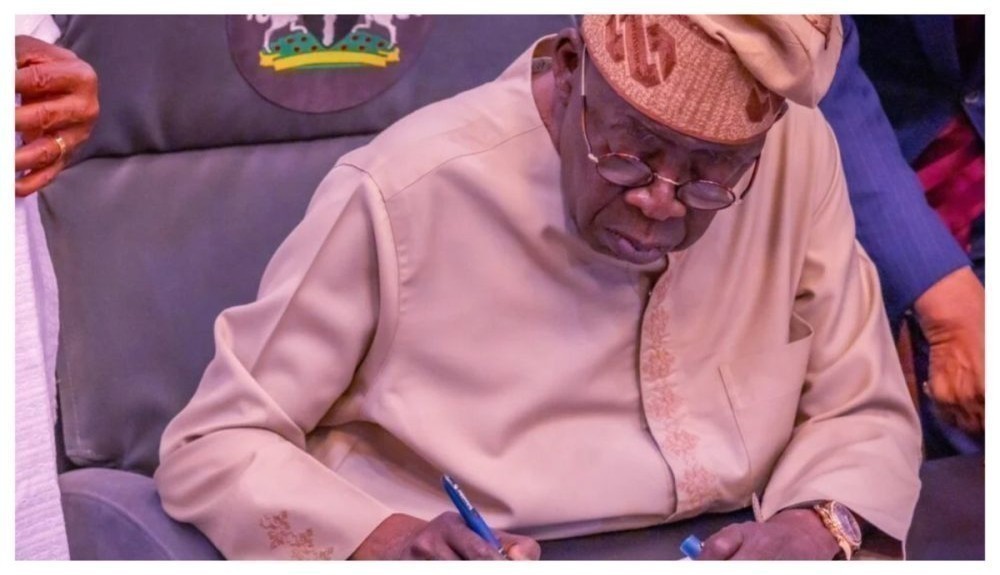
Appealing directly to the President, Igini said Tinubu should reflect on his democratic credentials and role in Nigeria’s political evolution.
“It is indeed my humble recommendation to Mr President that you are a man of history… What is put before you, take it back. Don’t sign it,” he said.
He referenced the 2015 elections, arguing that the victory of the opposition at the time reflected “the might of the people through the ballot,” rather than federal power.
Senate Division Over Clause 60
The Senate on Tuesday passed the Electoral Act 2022 (Repeal and Re-Enactment) Bill 2026 after intense deliberations.
A key point of contention was Clause 60(3), particularly the provision allowing manual transmission of results as a fallback where electronic transmission fails.
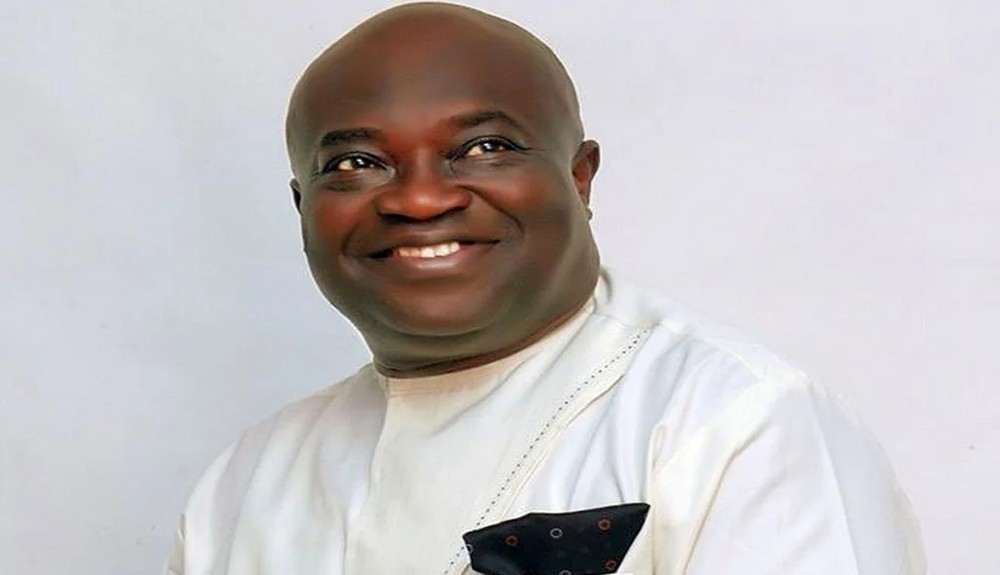
Senator Enyinnaya Abaribe demanded a division on the clause, proposing that manual forms should not serve as an alternative. Following a vote, 55 senators supported the proviso, while 15 opposed it.
Igini criticised the reversal of earlier provisions that mandated real-time electronic transmission of polling unit results, describing the development as a setback for electoral transparency.
Judiciary Under Scrutiny
The former electoral commissioner also expressed concern about the role of the judiciary in election matters, saying courts have not consistently upheld the will of voters.
“The greatest option that we have is the judiciary that must stand tall and mighty in defence of democracy and the rule of law,” he said, while also noting what he described as past shortcomings in electoral adjudication.
Igini warned that weakening electronic transmission safeguards could create uncertainty and erode public confidence in future elections.
He maintained that for democracy to thrive, institutions — particularly the judiciary — must enforce due process and protect voters’ rights.