Future Olympian Athletics Classic Shifted to Last Quarter of 2026
By abiawatch
March 1, 2026 • 2 mins read
Future Olympian Athletics Classic Shifted to Last Quarter of 2026
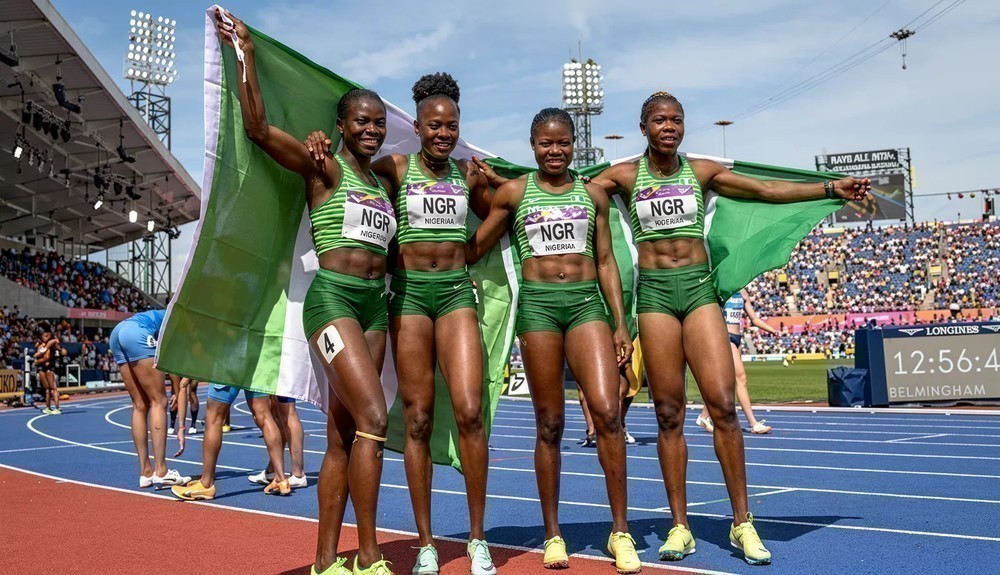
The Future Olympian Athletics Classic has been rescheduled to the last quarter of 2026, with organisers citing the need to broaden the initiative into a fully national talent discovery platform.
In a statement, Dr. Bruce Ijirigho, a former quarter-miler and captain of Team Nigeria to the 1976 Summer Olympics, said the postponement would allow the team to design a comprehensive framework for identifying and nurturing young athletic talents across the country.
Ijirigho explained that the new timeline would give the Organising Committee adequate time to reach all six geopolitical zones, ensuring that promising athletes are discovered early and properly groomed to compete on the global stage.
The competition is organised by the Youth Sports Renaissance Foundation (YSRF), a non-profit body registered with the Corporate Affairs Commission. The foundation was established by Bruce Ijirigho, Godwin Obasogie and Charlton Ehizuelen to revive secondary school sports, particularly athletics, in Nigeria.
Ijirigho, who serves as Project Lead, stressed that the initiative is not about reinventing the wheel but restoring a system that previously produced elite Nigerian athletes from the secondary school level.
He recalled that many athletes of his generation were discovered in school competitions, received proper coaching and academic support, and benefited from sports scholarships that helped them combine education with athletics before rising to national and international prominence.
“The bane of sports development in Nigeria, and indeed many African countries, is that young people do not get opportunities early enough and lack access to modern, age-appropriate coaching techniques that accelerate athletic development,” he said.
According to him, the Future Olympian Athletics Classic will go beyond talent identification by incorporating international coaching clinics to equip local coaches and games masters with modern training methodologies.
“This approach will ensure that we nurture these athletes to become Olympians and world-class performers by their late teens and early twenties. That is why this competition is strictly for secondary school students—it is a developmental programme,” he added.
Ijirigho also explained that expanding the programme nationwide reflects the belief that athletic talent exists across all regions of Nigeria.
“Talents abound in every nook and cranny of the country. There are outstanding middle- and long-distance runners, sprinters, quarter-milers, jumpers, and hurdlers who were either never discovered or discovered too late. With this postponement, we can widen the tent and give young Nigerians equal opportunities,” he said.
He expressed confidence that Nigeria has the potential to dominate global athletics if development structures are properly implemented.
“The future of world athletics belongs to Nigerians. Once we get our development strategy right, the Future Olympian Athletics Classic will play a major role in shaping the next generation of Olympians and global champions when it begins in the last quarter of 2026,” Ijirigho stated.