Gas shortage drags power generation below 4,000MW – NISO
By abiawatch
March 5, 2026 • 2 mins read
Gas shortage drags power generation below 4,000MW – NISO
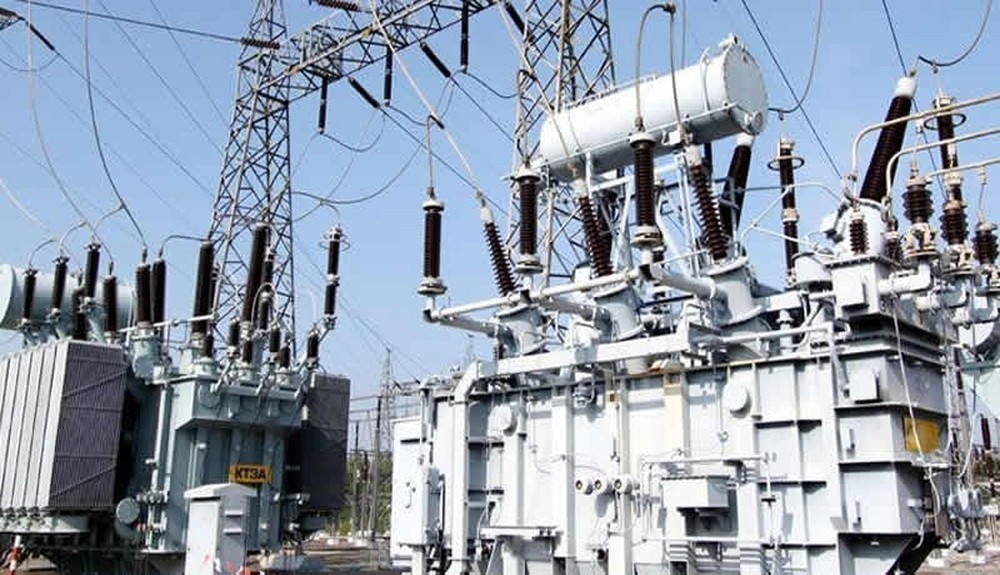
The Nigerian Independent System Operator has disclosed that the national grid generated only 3,940.53 megawatts as of 5:00 a.m. on Thursday, reflecting ongoing fuel supply challenges constraining output from gas-fired power plants.
In a statement titled “Gas Constraints Lead to Temporary Reduction in Power Generation,” NISO said the decline was due to persistent gas supply limitations impacting several thermal stations.
“The Nigerian Independent System Operator wishes to inform stakeholders and the public of the continued decline in electricity generation on the national grid arising from persistent gas supply constraints affecting several thermal power plants.
“As at 05:00 hours of today, Thursday, 5th March 2026, total generation on the national grid stood at 3,940.53 MW, which was already below the expected capacity due to existing gas supply limitations impacting a number of generating stations,” the statement read.
The operator noted that the situation worsened within hours as additional generating units shut down because of inadequate gas supply.
“Between 06:00 hours and 08:00 hours, several generating units were forced to shut down as a result of inadequate gas supply to the plants. This resulted in a cumulative reduction of approximately 292MW in available generation on the grid during the period,” it added.
The latest figure represents a further drop from February 2026, when generation hovered around 4,300MW amid similar gas supply challenges.
According to operational data cited by NISO, thermal power plants connected to the national grid require about 1,588.61 million standard cubic feet of gas per day to operate optimally. However, current supply stands at just 652.92 million standard cubic feet per day—about 40 per cent of required volume.
“This shortfall has significantly affected the ability of thermal power plants to operate at optimal capacity and has further reduced the total generation available for dispatch to the national grid,” the operator stated.
NISO attributed the ongoing power supply inadequacy experienced across parts of the country to the generation deficit and said it is working with generation companies and gas suppliers to restore supply.
“NISO is actively working with the affected Generation Companies and relevant gas suppliers to closely monitor the situation and facilitate the restoration of generation as soon as gas supply to the affected plants stabilises,” the statement added.
The operator also assured that necessary operational measures are being implemented to maintain grid stability despite reduced generation capacity.
Nigeria’s electricity generation mix remains heavily dependent on gas-fired thermal plants, which account for over 70 per cent of supply to the national grid. However, the sector continues to grapple with recurring gas supply constraints caused by pipeline vandalism, inadequate infrastructure, liquidity challenges in the power value chain, payment disputes, and gas diversion to export markets.
Despite possessing one of Africa’s largest natural gas reserves, Nigeria’s power plants frequently operate below installed capacity due to supply bottlenecks and structural inefficiencies.
The Federal Government has repeatedly pledged reforms aimed at boosting domestic gas production, expanding pipeline networks, and strengthening payment guarantees within the electricity market.
Meanwhile, NISO reiterated its commitment to keeping stakeholders and electricity consumers informed of developments affecting generation and grid operations.