Minority Lawmakers Stage Walkout Over Approval of Manual Collation of Results as Backup
By abiawatch
February 17, 2026 • 2 mins read
Minority Lawmakers Stage Walkout Over Approval of Manual Collation of Results as Backup
The lawmakers accused the majority of prioritising partisan interests over electoral integrity.
Controversy Over Clause 60(3)
The protest followed the adoption of Clause 60(3), which provides for both real-time electronic transmission and manual transmission of election results, as well as Clause 84, which prescribes modes of candidate nomination by political parties.
The House had earlier rescinded its December 2025 passage of the amendment bill to address identified inconsistencies before recommitting it to the Committee of the Whole for clause-by-clause consideration. However, deliberations soon became contentious.
On Clause 60(3), Rep. Bamidele Salam moved a motion seeking the deletion of the provision allowing manual transmission of results, arguing that elections should be transmitted electronically without exceptions. The motion was seconded by Minority Leader, Rep. Kingsley Chinda.
When subjected to a voice vote, the “nays” prevailed, retaining both manual and real-time electronic transmission in the law.
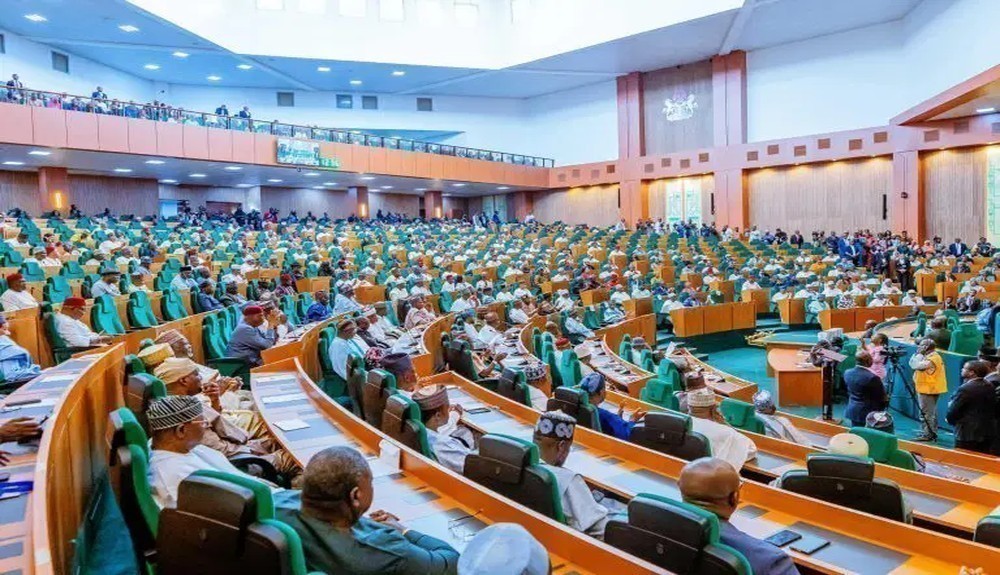
The outcome triggered visible anger among minority lawmakers, who subsequently walked out of plenary to address journalists.
Minority’s Position
Speaking to reporters, Chinda said the minority could not support any provision that, in their view, could create room for manipulation of election results.
“Our position is that elections shall and should be transmitted electronically. We are against any clause that would give room for micro-manipulation, rigging, or leeway for any untoward act.”
He disclosed that the minority had proposed that in the event of any conflict between manually collated Form EC8A results and electronically transmitted results, the electronically transmitted version should prevail.
“Those positions were torn down,” he said, alleging that members of the All Progressives Congress opposed the proposal on partisan grounds.
Chinda explained that the walkout was intended to formally register their objection before Nigerians.
“For us, after what happened on the floor, we felt it was better to register our position with Nigeria, which is the court of public opinion. So we had to leave the plenary.”
Debate Over Clause 84
The minority caucus also opposed the passage of Clause 84, which deals with primary elections and candidate selection methods by political parties.
According to Chinda, the method of selecting candidates — whether direct primaries, indirect primaries, or consensus — should remain strictly an internal affair of political parties.
“Political parties should be allowed to determine what method they want to adopt in selecting candidates that will represent them.”
He argued that imposing a specific mode of primaries would amount to undue interference in party administration.
What Next?
Despite the protest and walkout, the House proceeded with the amendments, setting the stage for intensified political debate as Nigeria moves closer to the 2027 general elections.
The development underscores deep partisan divisions within the Green Chamber over the direction of electoral reforms, with the minority vowing to continue mobilising public opinion against provisions they believe could undermine transparency and internal party democracy.