Nigeria’s Public Debt Rises to N153.29trn in Q3 2025 – DMO
By abiawatch
February 22, 2026 • 1 mins read
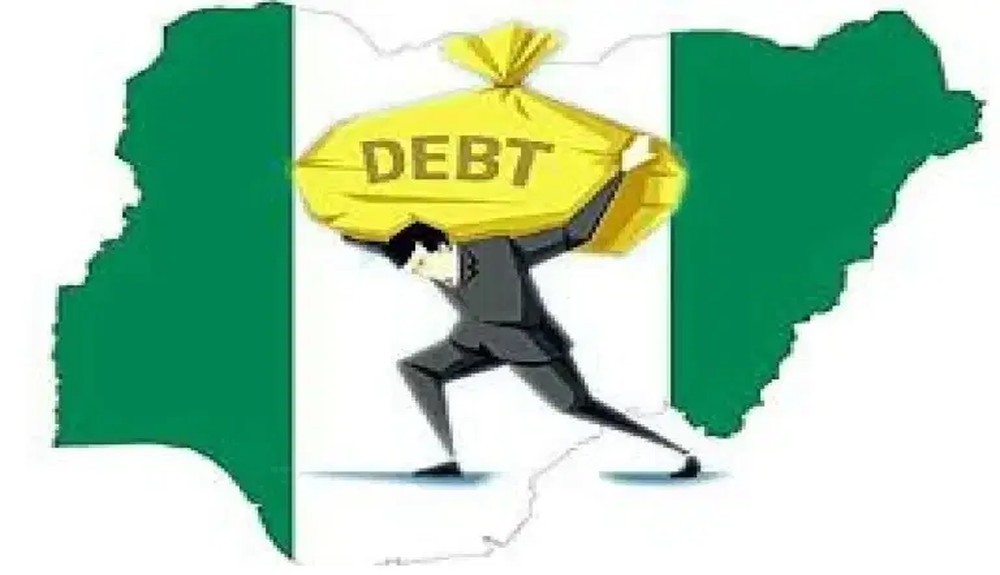
Nigeria’s Public Debt Rises to N153.29trn in Q3 2025 – DMO
The latest data shows a 0.59 percent rise from the N152.39 trillion recorded in June, underscoring the steady upward trajectory of the country’s borrowing profile amid persistent fiscal pressures.
Breakdown of the Debt Profile
The debt stock comprises both domestic and external obligations owed by the federal government, the 36 states, and the Federal Capital Territory.
As of Q3 2025:
Domestic debt stood at N81.81 trillion ($55.47 billion).
External debt was recorded at N71.47 trillion ($48.46 billion).
The federal government continues to account for the bulk of domestic borrowing, which increased from N76.58 trillion in Q2 to N77.81 trillion in Q3. Meanwhile, domestic debt owed by state governments and the FCT rose marginally from N3.96 trillion to N4 trillion within the same period.
Budget Deficit and Borrowing Pressures
The sustained increase in public debt comes as the federal government seeks funding for infrastructure development and to plug significant budget gaps. The proposed 2026 budget projects a deficit of N23.85 trillion — equivalent to 4.28 percent of Gross Domestic Product (GDP).
With revenue generation still lagging behind expenditure demands, borrowing remains a central tool for fiscal management, though it continues to generate debate among economists and policy observers.
Public Debate and Clarifications
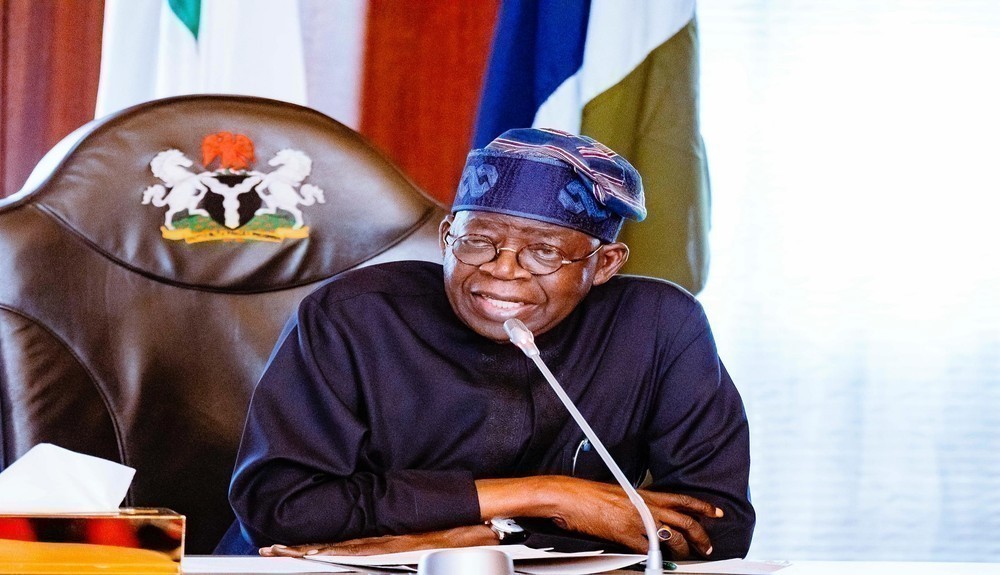
Earlier in the year, the DMO addressed reports suggesting Nigeria’s debt had surged dramatically under President Bola Tinubu, clarifying that the country’s debt stood at N87 trillion when he assumed office — not N21 trillion as widely circulated in some claims.
In May, the National Orientation Agency also reported a modest reduction in certain debt metrics, attributing it partly to improved allocations from the Federation Account Allocation Committee (FAAC).
Still, with debt servicing costs consuming a large portion of government revenue, the broader question persists: how sustainable is Nigeria’s current borrowing path?