Reps Begin Review of Defence Laws to Strengthen Security Response
By abiawatch
June 15, 2026 • 4 mins read
Reps Begin Review of Defence Laws to Strengthen Security Response
The House of Representatives on Monday kicked off a two-day public hearing on a series of defence reform bills designed to strengthen Nigeria’s military institutions, improve the welfare of service personnel and veterans, and enhance the Armed Forces’ capacity to address evolving security challenges.
The hearing, organised by the House Committee on Defence at the National Assembly Complex in Abuja, brought together lawmakers, military leaders, security experts, academics, civil society organisations, veterans, and other stakeholders to examine legislative proposals that could significantly reshape the nation’s defence framework.
The review comes as Nigeria continues to confront multiple security challenges, including insurgency in the North-East, banditry and kidnappings in the North-West, communal clashes in the North-Central region, separatist-related violence in the South-East, as well as rising concerns over maritime insecurity and cyber threats.
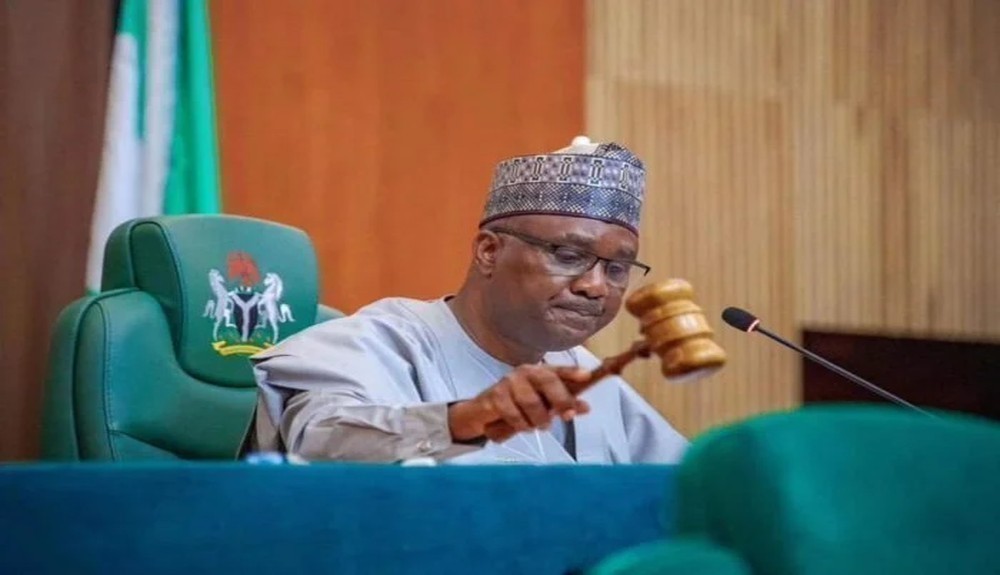
Declaring the hearing open, Speaker of the House of Representatives, Tajudeen Abbas, said the proposed legislation reflects the 10th Assembly’s commitment to strengthening national security through institutional and legal reforms.
“The bills listed for consideration over the next two days are not mere legislative exercises. They are a direct response to the evolving security threats facing our nation and the need to build a more resilient, inclusive, and effective military institution,” Abbas said.
He noted that the Armed Forces are currently under significant operational pressure due to the range of security threats confronting the country.
“From the persistent insurgency in the North-East to banditry and kidnapping in the North-West, farmer-herder conflicts in the North-Central, and separatist agitations in the South-East, our Armed Forces remain stretched but continue to serve as our primary line of defence,” he stated.
Abbas also highlighted emerging threats such as piracy in the Gulf of Guinea, cyber warfare, and growing links between organised criminal groups and terrorist networks, stressing the need for a stronger legal and institutional framework to address them.
One of the major proposals before the committee seeks to repeal the existing Armed Forces Act and replace it with a new Nigerian Military Force Bill. The legislation is expected to modernise military administration, command structures, and operational procedures in line with contemporary security realities.
Other bills under consideration include proposals for the establishment of an Armed Forces Farms and Ranches Scheme to boost food production and logistics within the military, as well as measures focused on military education, research, doctrine development, healthcare services, and professional training.
The Speaker described the public hearing as an important platform for stakeholder engagement and encouraged participants to contribute meaningful recommendations.
“I call on all stakeholders—serving and retired military personnel, civil society groups, gender experts, veterans, legal practitioners, and ordinary citizens—to actively participate. Share your views, offer constructive criticism, and propose solutions,” he said.
Abbas assured participants that all submissions would be carefully considered during the legislative process.
“Every memorandum will be reviewed, every presentation will be noted, and all relevant contributions will be considered and, where appropriate, incorporated into the final reports and bills,” he added.
He stressed that Nigeria’s security challenges require innovative approaches and reforms beyond conventional solutions.
“The security challenges we face today demand bold and fresh thinking. The old methods have not fully delivered the desired results. We must be open to legislative innovation,” he said.
In his welcome address, Chairman of the House Committee on Defence, Babajimi Benson, described the hearing as a crucial stage in the lawmaking process and an opportunity for stakeholders to influence policies affecting national defence and security.
“It gives me great pleasure to welcome you to this public hearing on important legislative proposals aimed at strengthening Nigeria’s defence architecture, enhancing military professionalism, improving the welfare of service personnel and veterans, and positioning our Armed Forces to effectively respond to emerging security challenges,” Benson said.
He emphasised that public participation remains essential to producing effective and responsive legislation.
“Public hearings provide a platform for citizens, experts, institutions, and stakeholders to directly contribute to the legislative process. Through this engagement, proposed laws benefit from practical insights, wider scrutiny, and diverse perspectives,” he noted.
According to him, the bills address critical aspects of military operations and administration, including professional military education, joint operational effectiveness, healthcare support, strategic research, governance reforms, veterans’ welfare, food security initiatives, and inclusiveness within the Armed Forces.
Benson further assured stakeholders that all memoranda and oral presentations would be thoroughly reviewed before recommendations are submitted to the House for consideration.
He also paid tribute to members of the Armed Forces for their sacrifices in defending Nigeria’s territorial integrity and tackling security threats across the country.
The public hearing is expected to generate recommendations that could shape some of the most significant defence reforms currently before the National Assembly. If enacted, the proposed laws could redefine military governance, strengthen support systems for veterans, promote greater inclusiveness, and improve Nigeria’s capacity to respond to both traditional and emerging security threats.
The exercise forms part of the 10th House of Representatives’ broader effort to modernise the country’s defence sector amid persistent insecurity and growing calls for institutional reforms.