Tinubu to Propose Amendment to PIA – Senate Committee
By abiawatch
February 27, 2026 • 2 mins read
Tinubu to Propose Amendment to PIA – Senate Committee
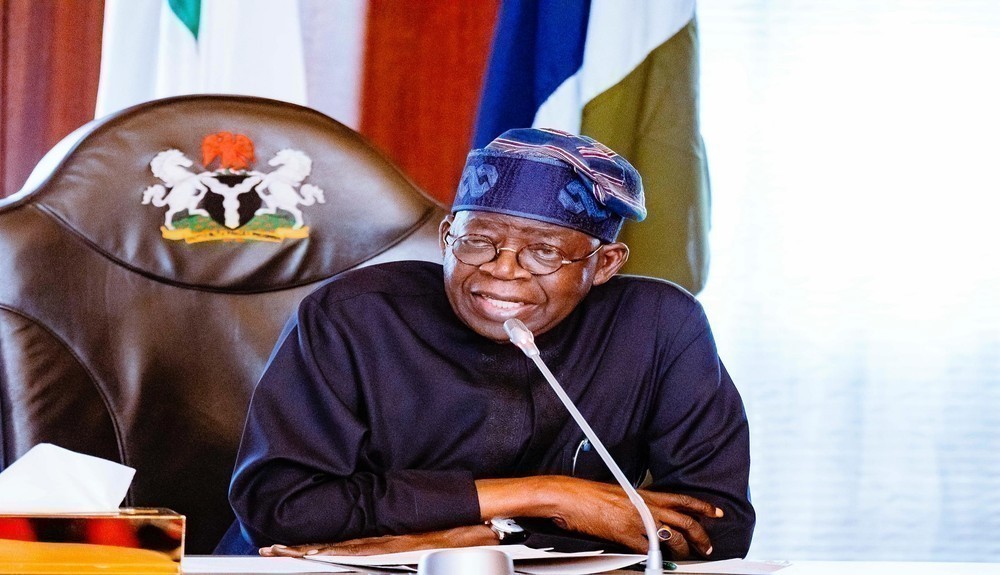
The Senate Committee on Finance has disclosed that President Bola Tinubu will soon transmit proposals to the National Assembly seeking amendments to certain provisions of the Petroleum Industry Act (PIA) to align the law with Nigeria’s evolving economic landscape.
The disclosure came from the Chairman of the committee, Senator Sani Musa (APC, Niger East), on Thursday during a session where the Minister of Finance and Coordinating Minister of the Economy, Wale Edun, and the Minister of Budget and Economic Planning, Atiku Bagudu, appeared to defend proposals for the 2026 budget.
Also present at the meeting were heads of other agencies under the committee’s oversight, including the Federal Inland Revenue Service (FIRS), the Tax Ombudsman Office, the Nigerian Customs Service, and the Office of the Attorney-General of the Federation.
Senator Musa discussed President Tinubu’s recent executive order mandating the direct remittance of oil and gas revenues into the Federation Account. He explained that while some had assumed the directive would automatically boost government revenue, Nigeria has yet to reach its desired revenue levels.
“The drive to enhance revenue generation through the executive order will prompt the president to propose the necessary amendments to the Petroleum Industry Act,” Musa stated, though he did not specify the exact sections of the law targeted for revision.
He added that projections and adjustments arising from the executive order would form part of the planning framework for the 2026 budget.
“When the president signed the executive order, the assumption in Nigeria today is that more money will come to the government. We’ve not yet transitioned to where we want to be and that is why Mr President said he’s bringing the PIA for amendment,” Musa said.
On Wednesday, President Tinubu signed an executive order directing that royalty oil, tax oil, profit oil, profit gas, and other revenues under production-sharing, profit-sharing, and risk-service contracts be paid directly into the Federation Account. The order also scrapped the 30% Frontier Exploration Fund established under the PIA and discontinued the 30% management fee on profit oil and profit gas retained by the Nigerian National Petroleum Company Limited (NNPCL).
Anchoring the directive on Sections 5 and 44(3) of the 1999 Constitution (as amended), the presidency explained that the move was aimed at safeguarding oil and gas revenues, curbing excessive deductions, and restoring the constitutional entitlements of federal, state, and local governments.
However, the order has drawn criticism from stakeholders in the oil and gas sector. The Petroleum and Natural Gas Senior Staff Association of Nigeria (PENGASSAN) rejected the directive, describing it as a dangerous precedent that could undermine the PIA and erode investor confidence. Its president, Festus Osifo, called for the immediate withdrawal of the order.
The Petroleum Industry Act, signed into law in 2021, was intended to reform Nigeria’s oil and gas sector after nearly two decades of stalled reforms. The law commercialized the NNPCL into a limited liability company, established new regulatory bodies for upstream and midstream/downstream operations, restructured revenue-sharing arrangements, and introduced provisions for host community development.