APC Will Not Undermine Credible 2027 Elections, Says Party Official
By abiawatch
May 3, 2026 • 2 mins read

APC Will Not Undermine Credible 2027 Elections, Says Party Official
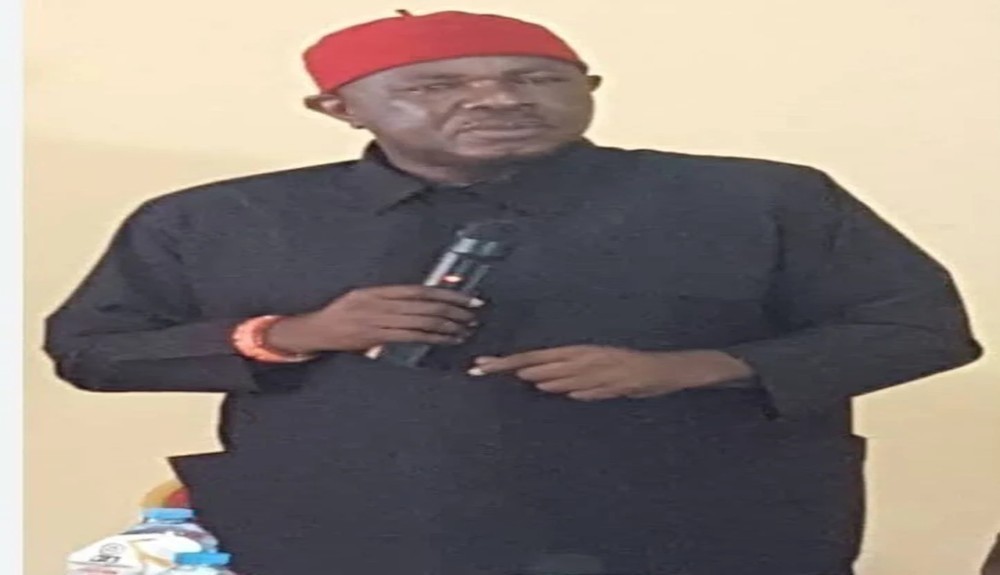
The Deputy National Publicity Secretary of the All Progressives Congress, Duro Meseko, has said the ruling party will not take any action capable of undermining free and fair elections during the 2027 general polls.
Meseko made the statement on Saturday during the Development and Cultural Day celebration held in Odo-Ape, located in the Kabba/Bunu Local Government Area of Kogi West Senatorial District.
He also dismissed fears that Nigeria was gradually becoming a one-party state, insisting that the increasing number of politicians joining the APC reflects public support for President Bola Tinubu’s administration and its Renewed Hope Agenda.
According to him, Nigerians are rallying behind the ruling party because they believe the current administration is delivering good governance and deserves another term in office.
“Nigerian people have resolved to return President Tinubu for the success of his Renewed Hope Agenda, which is delivering good governance to the people. That is what Nigerians see and want—to re-elect President Tinubu and other candidates of the APC,” he said.
Meseko argued that it was inaccurate to describe Nigeria as a one-party state, pointing out that the country still has 24 registered political parties.
He also praised the judiciary for its recent ruling involving the African Democratic Congress, advising the party to address its internal disagreements and reorganise itself.
The APC chieftain, who served as chief host of the cultural event and is a former member of the House of Representatives, stressed that strong opposition parties remain important to the country’s democracy.
“APC needs strong opposition and would not do anything to stampede free and fair elections,” he said.
Speaking further on the significance of the cultural celebration, Meseko described culture as a vital link between the people and their ancestors, saying traditions handed down over generations help define the identity and values of the community.
He noted that efforts were being made to preserve those cultural values and pass them on to younger generations.
According to him, the event was designed to project the rich traditions and heritage of the Odo-Ape people to a wider audience while promoting social harmony and development.
Meseko explained that cultural practices within the community also serve as moral guides by discouraging behaviours that threaten peaceful coexistence and progress.
He referenced local festivals, including the Egungun masquerade celebrations, where songs are traditionally used to publicly condemn negative behaviour and discourage misconduct within the community.
“You know what it means to let the world know that we are what we are because of our culture, and that is what we are celebrating,” he said.
“In Odo-Ape, we have the Owe festival. During this festival, it is mainly done at night, where people sing songs to prevent people from misbehaving.
“The community used to have a list of deviants. The folk songs are used to call them out so they feel ashamed of their misdeeds. The masquerades can foretell what will befall the community and provide solutions to it. These traditions are to guide our day-to-day living, and we are determined to pass them to the next generations.”