Amukpe–Escravos Pipeline Value Surge Reshapes Nigeria’s Oil, Gas Outlook
By abiawatch
April 16, 2026 • 2 mins read
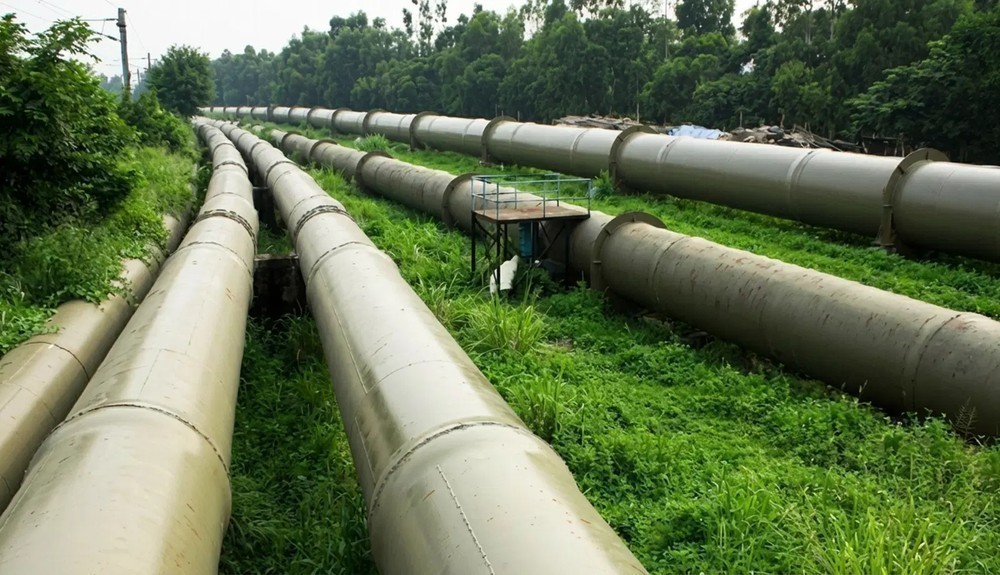
Amukpe–Escravos Pipeline Value Surge Reshapes Nigeria’s Oil, Gas Outlook
The Amukpe–Escravos Pipeline (AEP), a key crude evacuation asset in Nigeria’s western Niger Delta, is attracting renewed attention following a major upward revision in its estimated value. The development comes amid an ongoing transaction dispute and is prompting a reassessment of its role within the country’s oil and gas industry.
Previously valued between $200 million and $243 million, the pipeline is now estimated to be worth close to $700 million or more. This significant increase is reshaping conversations around its true market value and the broader implications for infrastructure assets in the sector.
Industry sources attribute the new valuation to a combination of economic and operational factors. These include inflationary pressures, rising costs of replacing similar infrastructure, adjustments in tariffs, and the increasing demand for secure and reliable crude evacuation routes.
Stretching approximately 67 kilometres with a capacity of about 160,000 barrels per day, the AEP serves as a crucial alternative to the Trans-Forcados Pipeline, which has faced frequent disruptions due to operational issues and sabotage. As a result, dependable infrastructure like the AEP has become more valuable in ensuring production stability and export efficiency.
The revised valuation has far-reaching implications. It challenges earlier assumptions that may have influenced past transaction discussions, with previous offers now appearing significantly undervalued under current market conditions. This has raised concerns about whether strategic national assets should be sold based on outdated pricing benchmarks.
Experts note that the development highlights the need for a more responsive and dynamic approach to asset valuation, especially in a sector shaped by evolving risks and economic conditions. They also stress the importance of properly pricing infrastructure to reflect its contribution to national output.
Beyond its role as a transport system, the pipeline is increasingly viewed as a high-value asset with direct impact on revenue generation. Reliable evacuation routes help reduce production disruptions, minimise losses, and improve export performance, positioning the AEP as a stabilising component of Nigeria’s oil production network.
For investors and lenders, the updated valuation presents both opportunities and challenges. While it strengthens the case for investing in Nigeria’s energy infrastructure, it also raises expectations around transparency, governance, and fair value in transactions.
The situation also carries policy implications. Analysts say the case underscores the need to balance debt recovery efforts with long-term value preservation. Where asset values have risen significantly, there is less justification for rushed or discounted sales. Instead, a more structured and competitive process is seen as essential to maximise returns while protecting public interest.
Overall, the surge in the pipeline’s value reflects broader shifts in Nigeria’s energy landscape, where resilience, efficiency, and strategic positioning are becoming increasingly important. How this value is managed and leveraged is expected to influence investor confidence and shape future capital inflows into the sector.