Electricity Costs Outstrip House Rent in Abia, Residents Cry Out
By abiawatch
April 5, 2026 • 2 mins read
Electricity Costs Outstrip House Rent in Abia, Residents Cry Out
Residents of Umuahia, the capital of Abia State, are expressing frustration over skyrocketing electricity bills, describing them as “crazy” and unaffordable. Many complain that monthly electricity costs now surpass house rents, pushing households and small businesses toward financial distress.
Investigations reveal that residents who previously paid between ₦6,000 and ₦14,000 now face bills ranging from ₦50,000 to ₦70,000 per month, despite reduced electricity supply. For context, the average annual rent for a three-bedroom apartment in Umuahia is between ₦350,000 and ₦550,000, meaning some households now pay more for electricity than for shelter. The hardest hit are residents without prepaid meters, who are subject to estimated billing under the Band A tariff system.
Low-income earners, especially civil servants, say bills consume the bulk of their income. Mr. Harrison Ogbonnaya lamented, “In January, I was billed ₦68,689.81; February was ₦56,303.12; March ₦55,761.61. I paid ₦40,000 but was still disconnected and asked to pay a ₦5,000 reconnection fee plus ₦10,000 balance. How is anyone supposed to survive?” ICT professional Ndubuisi Odimba added that some businesses have already closed due to prohibitive electricity costs.
Small business owners report similar hardships. Mr. Chimdi Ejirika pays between ₦65,000 and ₦80,000 monthly despite minimal consumption, calling the practice “exploitation.” Metal fabricator Okehie Kingsley Obioma stated he pays as much as ₦90,000 monthly while receiving erratic power supply. Many residents complain of outages lasting two to three days, leading some to say they are “paying for darkness.”
Governor Alex Otti recently ruled out electricity subsidies but emphasized the importance of reliable power, stating that paying for steady supply is preferable to “paying for darkness.” While parts of Aba benefit from the independent Geometry Power Company, Umuahia is still under the Enugu Electricity Distribution Company (EEDC), pending state takeover.
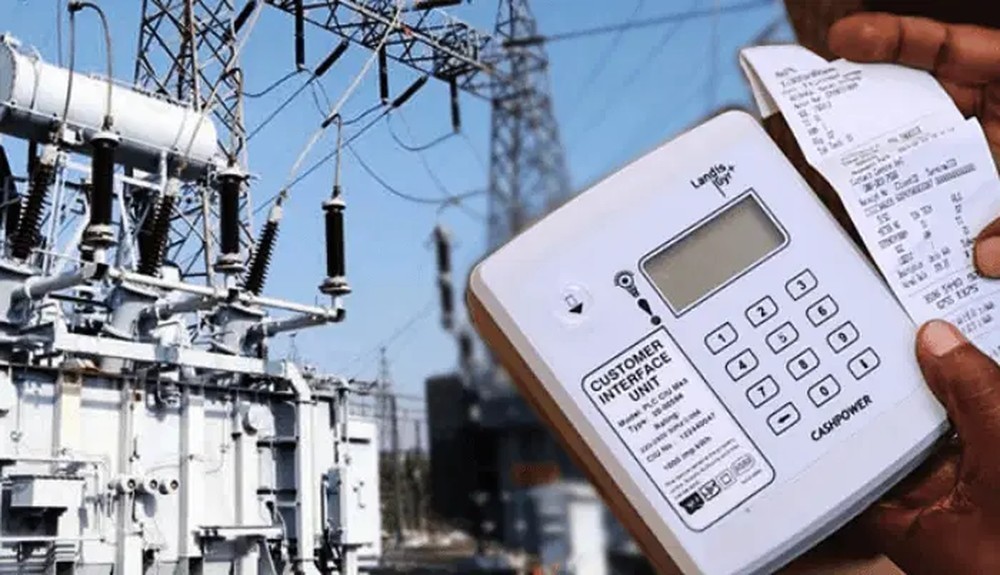
EEDC spokesman Emeka Eze explained that the spike in bills reflects the Band A tariff, which follows subsidy removal. Customers are expected to receive at least 20 hours of electricity daily, though gas supply constraints have reduced availability. Prepaid meters, which could reduce billing disputes, remain largely inaccessible due to cost, with single-phase units priced around ₦130,000 and three-phase units at ₦230,000.
Abia State Electricity Regulatory Agency Chairman Emeka Onyebule confirmed that full state takeover is ongoing but not yet complete. He noted that Band A tariffs are national and compensation is provided for under-supply, though current relief is limited. ASERA also stressed that tariffs cover infrastructure costs, not just electricity consumption.
Despite official explanations, residents demand urgent relief, highlighting the financial burden on households and businesses. Critics attribute the crisis to federal subsidy removal without adequate cushioning, describing it as a major strain on everyday Nigerians.